
What is Astrology · History
What is astrology?
Astrology is one of the oldest ways people have read the sky: the belief that the positions of the Sun, Moon and planets are linked to life on Earth. For most of history it was studied beside astronomy and mathematics, by the same people, with the same instruments.
It was never one thing. Babylon, Egypt, China, Greece, India and Persia each read the sky in their own way, and in Baghdad many of these streams met. Modern Western and Vedic astrology both grew out of that long conversation.
A word of honesty: there is no scientific evidence that the stars decide events, and the old scholars argued about this too. Al-Bīrūnī, who wrote one of the great astrology textbooks, was openly sceptical of parts of it. We present astrology as a tradition: for knowledge, reflection and fun.
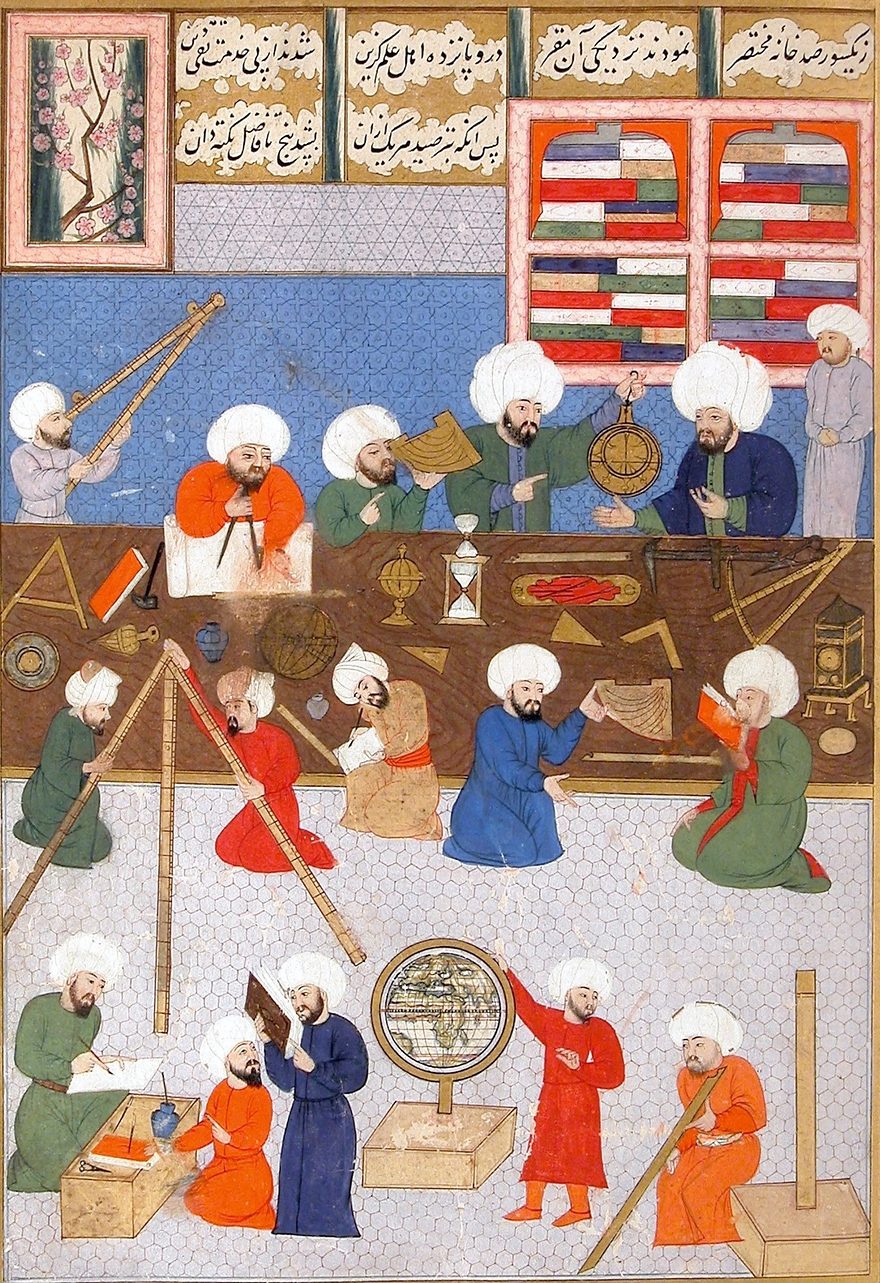
A short history of astrology
From Sumer to Baghdad, in nine stops
Click a place, or press the space bar to travel. ← goes back.
Our approach
How Lazward reads the sky
We start where the Baghdad astrologers started: with the real positions of the Moon, Sun and planets, calculated by a modern astronomical model. Then we read them with the rules of the Baghdad books, from Māshāʾallāh and Abū Maʿshar to al-Bīrūnī, and set the Western and Vedic readings beside them so you can compare.
Every reading names its tradition and its books. We don't claim to know your future; we show you how a thousand-year-old science of the sky would have read your day.